
Posted on Jun, 2020
- Copay Health Insurance Definition
- Copayment Definition Health Insurance
- What Does Copay Mean In Health Insurance
- What Is Copay In Health Insurance
- Co Payment In Health Insurance Meaning
- Copay Meaning & Definition in Health Insurance Every person wants to avail high-quality medical facilities at affordable rates. But due to the rise in the cost of medical treatments, it has become challenging for people to gain access to such facilities.
- Copay in Health Insurance refers to the percentage of the claim amount that has to be borne by the policyholder under a health insurance policy. Few insurance policies come with a mandatory clause for copayment, while others offer policyholders the option for voluntary copayment, which allows them to reduce their premium payment.
- A co-pay is a cash fee that you pay directly to your provider each time you make an appointment. The doctor gets paid every month by your insurance company to manage your care no matter if you go to see him or not. He gets paid a flat monthly fee.
- Coinsurance The percentage of costs of a covered health care service you pay (20%, for example) after you've paid your deductible. Let's say your health insurance plan's allowed amount for an office visit is $100 and your coinsurance is 20%. If you've paid your deductible: You pay 20% of $100, or $20.
Word for mac 2011 shortcut for insert footnote. Co-pay in health insurance refers to an arrangement between the insurance company and the insured. As per this agreement, policyholders have to pay a part of the medical expenses on their own, while the insurance company pays the remaining amount. Co-pay is applicable when you choose a health insurance policy with a co-pay clause. Here’s all you need to know about co-pay.
Copay in health insurance is an agreement between the insured & the insurance company. Know in detail about copay meaning with the help of an example, its features & more at Pinc Insurance! Toll Free Number 1800 267 7500 English Claims Login. Download chrome for mac air.
Why do insurance companies use the co-pay clause?
The co-pay clause is designed for the benefit of both the insurance provider and the insured. There are several legitimate reasons why many insurance companies include the co-pay clause in their health insurance policies. Listed below are some of them:
- The co-pay clause ensures that the insured party exercises judiciousness while filing a claim. Filing claims for unnecessary reasons can affect the premium payable when the policy is renewed. As such, the clause enables the insured to decide whether a claim is worth filing. By not filing an unnecessary insurance claim, the policyholder becomes eligible for discounts on premiums.
- The cost of treatment has been increasing with every passing year. If you decide to seek treatment in an expensive hospital, you may end up exhausting your sum assured. This in turn can increase your premium amount when you renew the policy. The co-pay clause ensures that policyholders do not compromise on treatment, but are, at the same time, mindful of the costs they would have to bear, for seeking expensive treatment.
- With the co-pay clause, the idea is to discourage wasteful expenditure for both the insured and the insurer. Since the co-pay clause requires policyholders to also contribute, they can determine whether it makes sense to opt for expensive healthcare as compared to quality healthcare.
- Co-pay affords a sense of awareness and ownership to the insured parties since they too have to bear a portion of the medical expenses.
Example to help understand co-pay
Let’s say your health insurance policy has a co-pay clause of 10%. Now, you have encashed your insurance policy, and the total medical expense amounts to ₹50,000. In such a case you need to pay 10%, i.e. ₹5,000 from your own pocket. Your insurance provider will bear the remaining amount of ₹45,000.
Features of co-payment
Before you decide to choose a policy with the co-pay clause, you need to understand its various features and how they would be applicable to you. Here are the general features
- Only a small, partial amount has to be paid by the policyholder. The insurance company will pay for the rest
- Co-pay clause applies to medical services, including hospitalization, doctor’s fees, lab tests, cost of medicines, etc.
- Health insurance plans with a higher premium amount generally have a lower co-payment percentage
- The main objective of the co-pay clause in health insurance is to save costs and discourage unnecessary claims
- Co-pay is mostly applicable to health insurance policies for senior citizens
Difference between co-pay and deductible
Most people seem to confuse co-pay with deductibles. Co-pay simply means that you must pay a specified, pre-determined portion or percentage of the medical expenses. On the other hand, the deductible is the amount you pay before the insurance provider pays for the costs incurred. Essentially, insurance providers are liable to pay the amounts exceeding the deductible. For instance, if the deductible is ₹25,000 and you file a claim of ₹60,000, the insurer is liable to pay only ₹35,000.
How to choose the right health insurance with co-pay?
Apart from knowing what a co-pay clause does, there are some other essential things you need to know to choose the right health insurance policy
Co-pay percentage
The co-pay percentage is the cost that the policyholder will have to pay from the total medical bill. Before buying a health insurance policy with a co-pay clause, ensure that you check and understand the co-pay percentage as this will be the amount you pay from your pocket.
Premiums
Usually, policies with a co-pay clause have a lower premium as compared to other policies. As such, health plans with the co-pay clause can facilitate a lot of savings on insurance premiums.
Opting for co-pay – should you do it or not
Your health insurance policy covers you against more than just hospital bills. Apart from serving as a safety net in your hour of need, it covers you against several other expenses including doctor/surgeon fees, medical reports, and ambulance charges and so on. While choosing an insurance policy, you can decide whether or not to opt for the co-pay option. The answer to this is simple; people who are young and healthy and not suffering from any pre-existing diseases can benefit from opting for co-pay, as it can enable significant savings. With the co-pay clause, such people will not need to encash their entire insurance policy, while they can avail the many benefits that go with it.
Sims 4 mac download tutorial. While buying your insurance policy, reach out to us at Pinc Insurance to know more about the co-pay option. We provide in-depth insurance guidance, including assistance in purchasing policies and filing claims.
According to WHO, almost 70% of the Indians spend a huge chunk of their income on healthcare and medicine expenses. These days it is almost impossible for the middle income and the lower-middle-income group to bear the cost of healthcare expenses on their own. This is why it is necessary for people to get health insurance by paying their respective agreed-upon premiums in order to avail financial assistance in case of an accident or any other medical emergencies. It is important to understand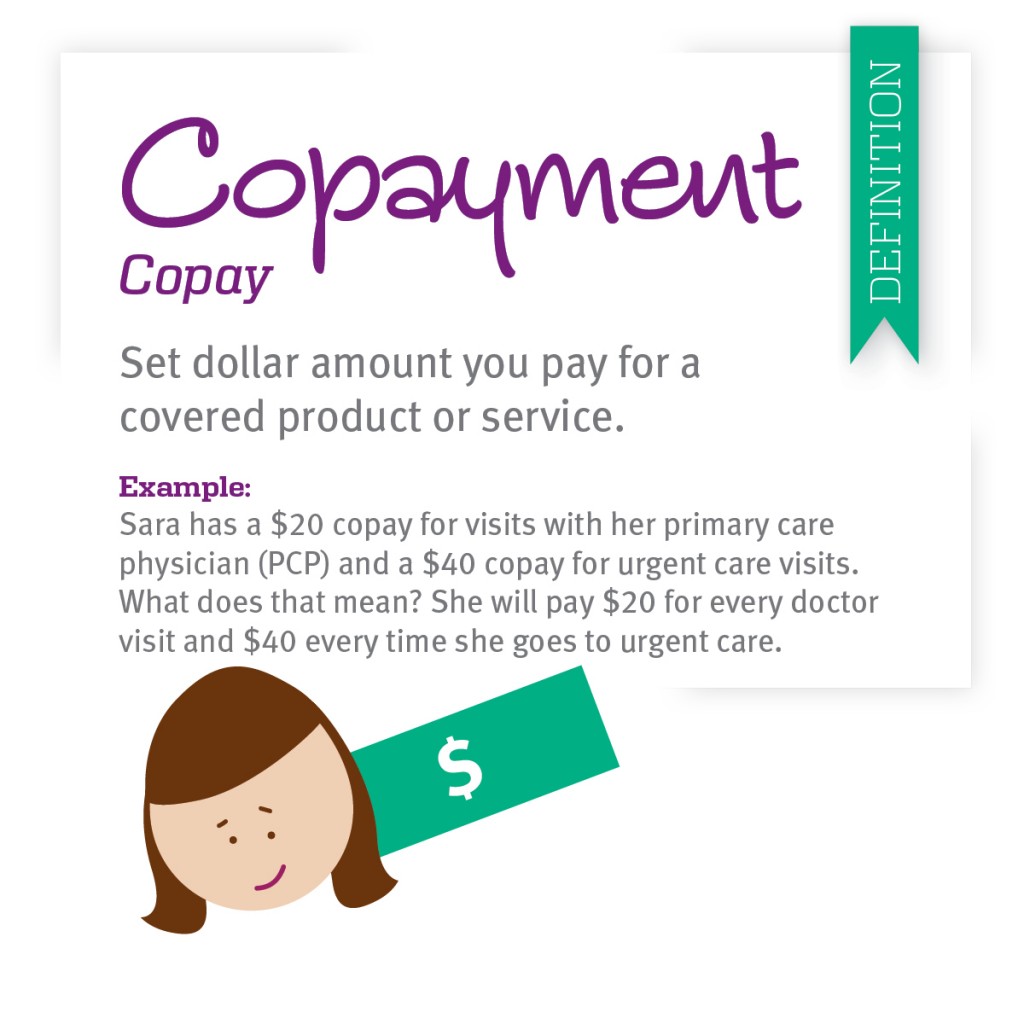 what is copay in health insurance
  in order to opt for the right policy.
 What is Copay in Health Insurance?
Nowadays, there are a lot of fraudulent activities related to health insurance. Insurance companies have come up with the concept of Copay in order to dissuade an insured from committing fraud. Copay meaning is simple to explain. Copay is a concept that is agreed upon while signing the insurance contract. The clause states that the insured will have to bear a part or a percentage of the claim amount out of their own pockets and the rest of the claim will be borne by the insurance company. The copay percentage agreed upon by the insured varies from 10-30%.What is Copay in Health Insurance with example?
Well, now that you know what the concept of the copay is, you might be able to connect with the concept more when you understand what is copay in health insurance with example. For instance, If your insurance policy includes the copay clause of 20 percent and your medical expenses amount to Rs. 15,00,000, you will have to pay Rs. 3,00,000 out of your own pocket and the insurer, i.e., the insurance company will cover the rest of the Rs. 12,00,000.How does Copay work?
There are two types of claims with any health insurance, namely, cashless health insurance claims and reimbursement for the expenses incurred. In case of a cashless payment option, the insurer will directly settle your expenses with the hospital. Whereas, in case of a reimbursement claim, the insurer will reimburse all the expenses that you incurred while you were undergoing treatment at the hospital. Now there are two situations that will occur when you opt for a copay option. If you opt for a higher copay, you will have to pay a lower rate of insurance premium as compared to opting for a lower copay, where you will have to pay more premium against your policy.Why do insurance companies have Copay clauses?
Apart from the main reason, which is to save its expenses during claims, there are a lot of reasons due to which insurance companies have copay clauses.- To discourage people from unnecessarily going to expensive healthcare centers for their treatments. With copay, the insured will be mindful of their spendings as even they will have to bear a portion of the medical expenses that will occur from these treatments.
- To dissuade people from making unnecessary claims, such as, dermatologist’s appointments, cold, gastric treatments, etc. Copay insurance dissuades insured from misusing their insurance policy.
- To prevent fraudulent behavior amongst the insured.
- Instances, where the insured has to pay a high copayment amount, may dissuade the insured from seeking proper healthcare attention when they need it, which defeats the entire purpose of buying an insurance policy.
- While high copayment allows an insured to pay a low premium, the insured will still end up paying more as copayment towards their medical expenses rather than what they’d be saving on the premiums.
Copay Health Insurance Definition
- Why do people opt for copay health insurance?
Copayment Definition Health Insurance
People opt for copay health insurance as they have to pay less premium which makes them cheaper than other insurance policies.- Is copayment levied on cashless payment options?
What Does Copay Mean In Health Insurance
In most cases, copayment clauses are levied only on reimbursement options.What Is Copay In Health Insurance
- Are the policies with copay clauses cheaper than the rest?
Co Payment In Health Insurance Meaning
Safe to say, now you must have gained some clarity about what copay meaning is! You can now make an informed decision while purchasing a health insurance policy and choose to opt for a copay option knowing all the pros and cons of the concept.